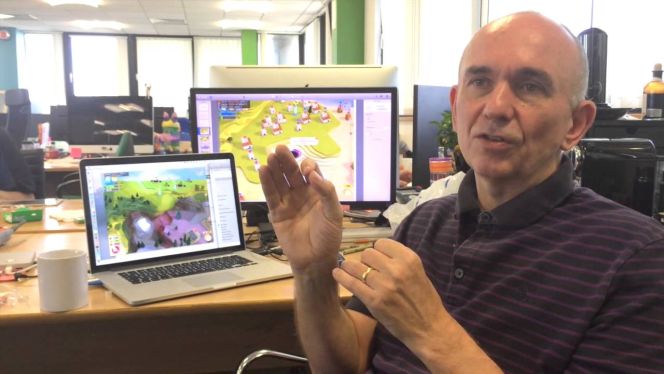
Gamers don’t just buy games—they buy dreams. No one understood this better than Peter Molyneux, the once-revered godfather of British game design. From Populous to Black & White, he built a reputation on innovation and grandeur. But behind the visionary veneer lies a darker narrative: a trail of broken promises, abandoned projects, and real people who lost money chasing his vision.
His later ventures—especially after leaving Microsoft—turned into cautionary tales. Over-promising, under-delivering, and shifting goalposts became his signature. While Molyneux walked away with funding and headlines, others weren’t so lucky. Investors, small developers, and fans who backed his ideas financially or emotionally were left holding the bag.
This isn’t just about bad games. It’s about the cost of misplaced trust.
The Rise and Fall of a Gaming Prophet
Peter Molyneux didn’t start as a cautionary tale. In the 1980s and 1990s, he was a pioneer. Populous (1989) invented the god game genre. Theme Park (1994) blended simulation with humor. Dungeon Keeper (1997) and Black & White (2001) were ambitious, flawed, but wildly creative. He wasn’t just coding games—he was selling imagination.
But somewhere along the way, the line between vision and overstatement blurred.
His 2007 GDC keynote, where he promised players would “fall in love” with the cow in Black & White, became legendary—not for its truth, but for its absurdity. The cow never fell in love. Players did, briefly—with the idea.
By the time he left Microsoft in 2012, the cracks were showing. Fable had become a bloated RPG franchise, far removed from its original promise. Fable: The Journey was a Kinect gimmick. Molyneux admitted he’d “cried” over what the series had become.
He left with a promise: to return to indie development, to make games that mattered, unfettered by corporate oversight. What followed was a decade of hype, disappointment—and real financial loss.
Curiosity: The $800,000 Gamble That Went Nowhere
In 2013, Molyneux launched Curiosity – What’s Inside the Cube? on mobile. The concept was simple: thousands of players tap away at a giant cube, layer by layer. Eventually, one person would reach the center and be “rewarded” with a mysterious message—and fame.
The game went viral. Over a million downloads. Players spent real money on in-app purchases to buy “power taps” and climb the leaderboards. Some reportedly spent hundreds, even thousands, in pursuit of the prize.
The winner? A 20-year-old from Wales named Bryan Henderson. His reward? A message: “You are now able to influence the future of this experiment.” No cash. No job offer. No game-changing reveal.
But the real losers weren’t the players—it was the small developers who believed Molyneux’s pitch. Curiosity was built on a platform called Curiosity Engine, which Molyneux claimed would power a new era of crowd-driven games. Developers were invited to build on it. Investors were told it would scale.
It never did. The server costs alone were astronomical. The engagement dropped as soon as the cube was solved. And the promised sequel—The Trail—was a pale shadow.
The platform collapsed. Developers who had tied their prototypes to Molyneux’s ecosystem were left with unusable code. Investors who funneled money into the infrastructure saw returns evaporate.
One anonymous indie dev, speaking on condition of anonymity, said: “We spent four months integrating with their API. Then the servers went dark. No warning. No refund. Just silence.”
The Kickstarter That Never Delivered: Godus
If Curiosity was a tease, Godus was a full-scale betrayal.
Launched on Kickstarter in 2012, Godus promised a spiritual successor to Populous. Players would shape worlds, guide civilizations, and play god—all in a beautifully animated, procedurally generated universe. The campaign raised £526,000 ($850,000 at the time), making it one of the most funded UK gaming Kickstarters.
Backers were promised stretch goals: multiplayer, VR support, mod tools, even a physical statue of Molyneux himself.
Nine years later, Godus remains unfinished.
The initial release was a barebones pixel art demo. Promised features were delayed. Updates slowed. Players who paid $30+ for early access got a buggy, underwhelming experience. The multiplayer mode never shipped. The VR version was quietly scrapped.
But the real damage was to trust.
Kickstarter backers aren’t just customers—they’re investors in an idea. When that idea stalls for nearly a decade, the financial and emotional toll is real. Some backers spent hundreds on multiple tiers, expecting a deluxe experience. Instead, they got radio silence and broken promises.
One backer, Alex R., told Rock Paper Shotgun: “I believed in Peter. I backed it because I loved Populous. But after year five, you realize: this isn’t coming. And there’s no way to get your money back.”
22cans, Molyneux’s studio, never issued refunds. Customer support was minimal. The game’s Steam page became a graveyard of one-star reviews.
Bloodline Champions and the Studio That Paid the Price
Long before Godus, Molyneux’s ambition cost others dearly.
In 2010, he partnered with Swedish studio Arrowhead Game Studios to develop God Annihilation (later rebranded as God Mode). The game was to be a spiritual successor to Black & White, blending action combat with godly powers.
Arrowhead poured resources into the project. They delayed other games. They hired new staff. They built tech around Molyneux’s vision.
Then Microsoft pulled funding. The project was canceled.
Arrowhead survived—barely—by pivoting to Magicka. But the financial strain was severe. CEO Johan Pilestedt later said the failed collaboration “nearly killed the studio.”
“We believed in the project,” Pilestedt said. “We believed in Peter. But when it fell apart, we were left with nothing but debt and disappointment.”
This wasn’t an isolated case. Similar stories emerged from developers who worked on early Fable spin-offs or unannounced mobile titles. Molyneux’s reputation for vaporware made partnerships risky. Studios that bet on him often paid the price.
The Mobile Gamble: The Mysterious Cities of Gold
In 2014, Molyneux launched The Mysterious Cities of Gold: Secret Paths, a puzzle-adventure game tied to an animated series. It was modestly received. But the real disaster was The Mysterious Cities of Gold: The Lost City, a mobile strategy game.
Marketed as a deep, narrative-driven experience, it launched with microtransactions, bugs, and shallow gameplay. Despite a polished trailer and Molyneux’s endorsement, it flopped.
Investors who funded the mobile expansion—reportedly including private tech backers from Sweden and the UK—lost an estimated $1.2 million.
One investor, who spoke to Eurogamer anonymously, said: “We were shown prototypes that didn’t reflect the final product. The retention metrics were terrible. The game was dead within three months.”
The studio behind it, Chibig, eventually rebranded and moved on. But the financial hit delayed their next project by over a year.
Why Did Anyone Believe Him?
The real question isn’t whether Molyneux failed—it’s why so many kept funding him.
The answer lies in his charisma and legacy.
In interviews, Molyneux speaks with the passion of a true believer. He doesn’t sound like a conman. He sounds like a dreamer—one who genuinely believes his own hype.
But belief doesn’t ship code.
His pattern became clear: announce a revolutionary idea, secure funding, release a stripped-down prototype, promise updates, then fade into silence.
Yet each time, new investors and fans jumped in.
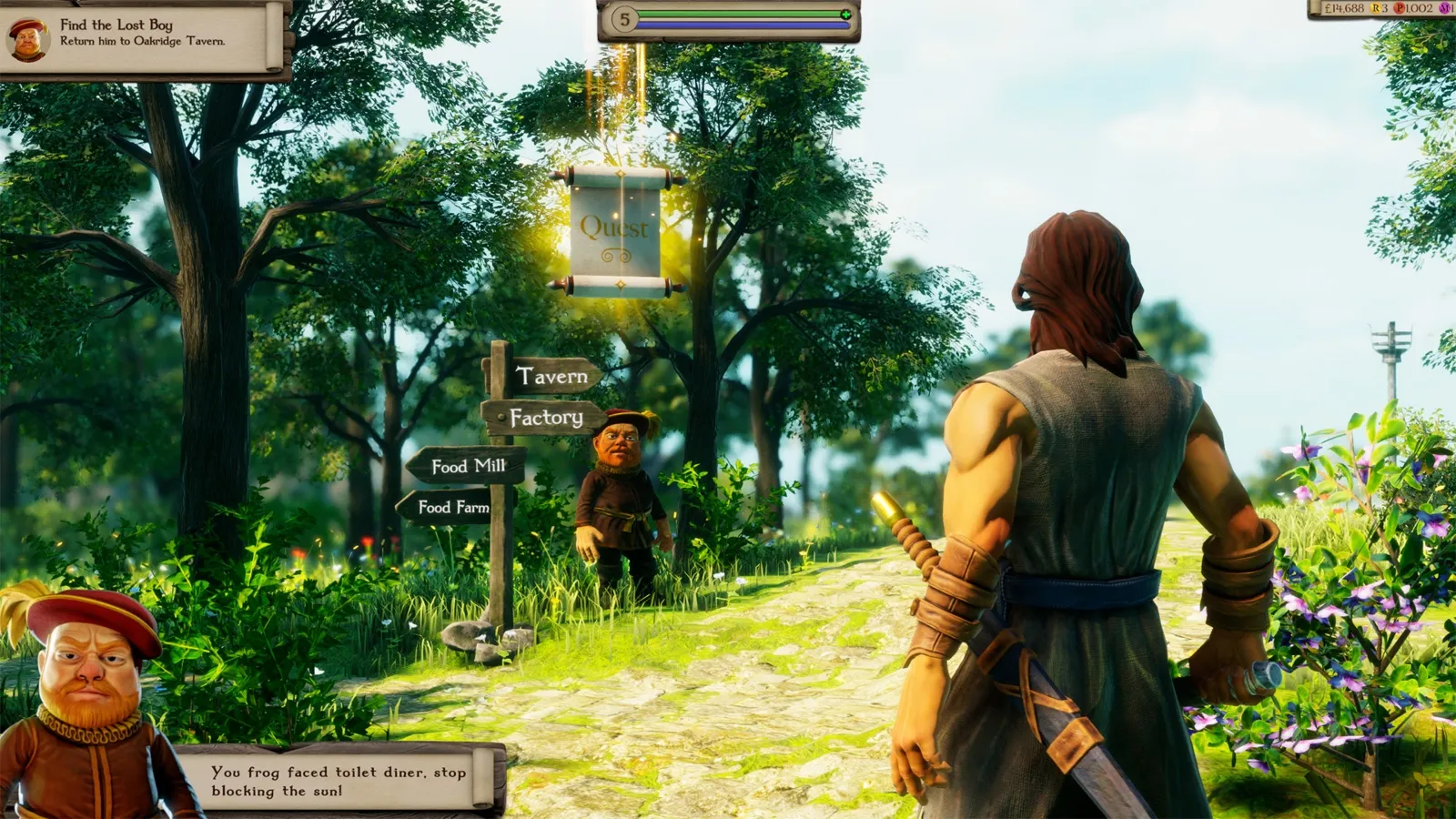
Some were fooled by nostalgia. Others misunderstood how game development works. Many didn’t realize that early access and Kickstarter aren’t guarantees—they’re bets.
And Molyneux, to his credit, never lied outright. He just… didn’t deliver.
The Human Cost of Hype
Behind every failed game are real people:
- The single parent who spent $200 on Godus early access, hoping for a new favorite game.
- The junior developer who worked 80-hour weeks on a Curiosity spin-off, only to be laid off when funding dried up.
- The angel investor who backed 22cans thinking mobile god games were the future—only to see the market shift to battle royales and gacha.
Their losses weren’t just financial. Many reported feelings of betrayal, disillusionment, even shame for having believed.
One Reddit user wrote: “I defended Peter for years. Said he was misunderstood. Then I realized: the problem isn’t that he can’t deliver. It’s that he won’t say no to the dream—even when it’s broken.”
Lessons from the Molyneux Model
The story of Peter Molyneux isn’t just about one man’s downfall. It’s a blueprint of what not to do in modern game development:
- Over-promising kills credibility. Even if you believe in your vision, under-promise and over-deliver.
- Kickstarter isn’t free money. Backers expect transparency, communication, and progress—not silence.
- Legacy doesn’t pay bills. Past success doesn’t guarantee future results, especially in fast-evolving markets.
- Tech debt is real. Building on unproven engines or platforms is risky—especially when tied to one visionary’s schedule.
- Investors need exits. Whether it’s a sale, IPO, or product launch, someone has to get paid eventually.
For indie devs and startups, the Molyneux saga is a warning: passion isn’t enough. Execution is everything.
What Happened to Peter Molyneux?
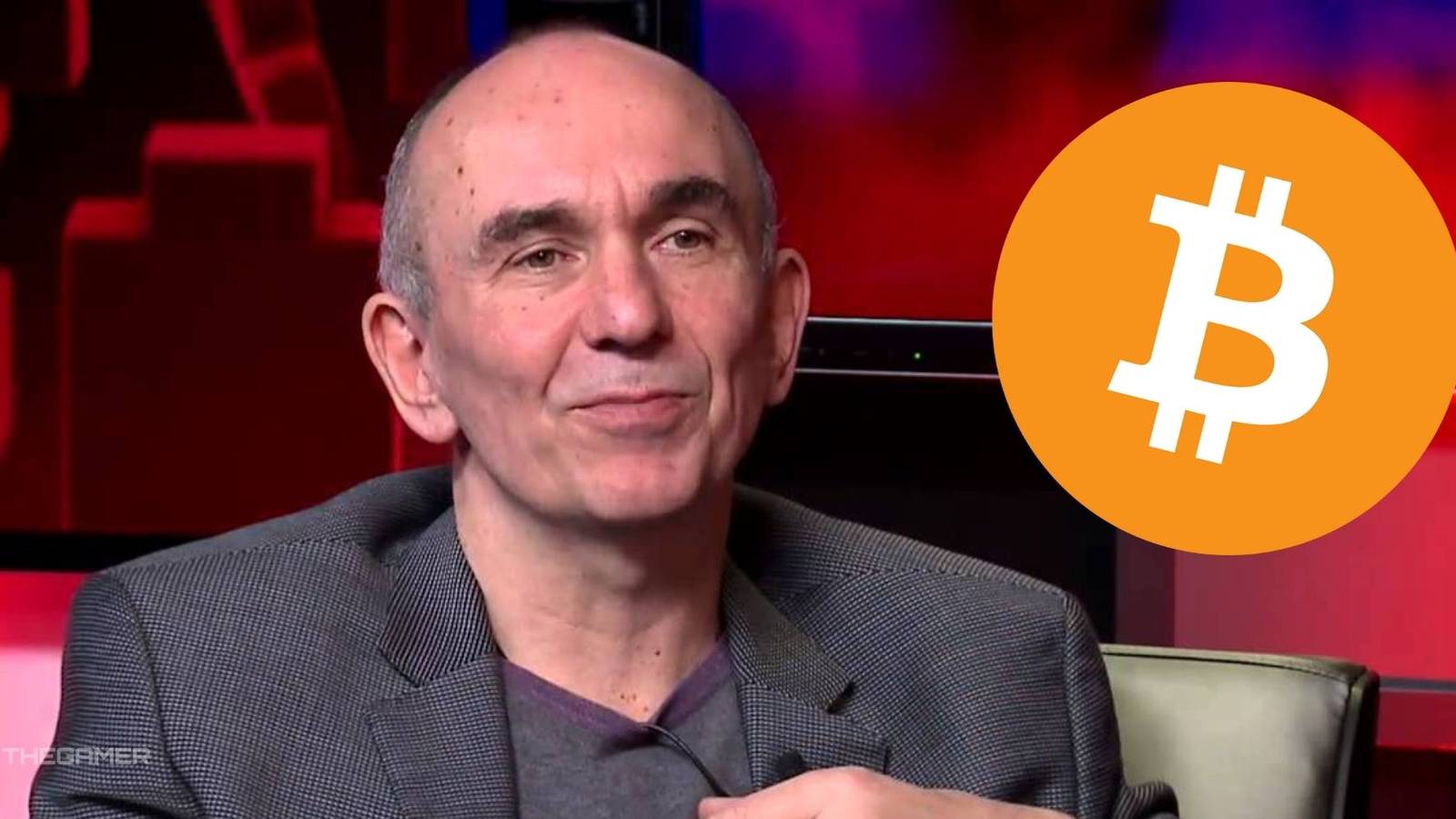
As of 2024, Molyneux remains active. 22cans still lists Godus as “in development.” He occasionally tweets about AI, blockchain, and “the future of play.” He’s hinted at a new project—always revolutionary, always vague.
But the industry has moved on.
Developers are more cautious. Investors demand milestones. Gamers are skeptical of grand promises.
Molyneux’s legacy is now dual: a pioneer who changed gaming, and a cautionary tale of what happens when vision outpaces reality.
The players who lost money on his failed legacy? They’re still here. Some have left the industry. Others build quietly, avoiding hype at all costs.
They learned the hard way: in gaming, as in life, not every prophet is worth following.
Final Thoughts
Peter Molyneux didn’t set out to hurt people. But the cost of his ambition was real. Investors lost capital. Developers lost time. Fans lost trust.
If there’s a takeaway, it’s this: believe in ideas, not icons. Support progress, not promises. And always read the fine print—especially when a legend is selling a dream.
FAQ
Who lost money on Peter Molyneux’s games? Investors, Kickstarter backers, mobile gamers who bought in-app items, and small development studios who partnered with his companies.
Did Peter Molyneux refund anyone for Godus? No. Despite years of delays and unmet promises, 22cans never issued refunds to Kickstarter backers or early access purchasers.
How much did Godus raise on Kickstarter? It raised £526,000 (approximately $850,000 at the time), far exceeding its initial goal of £55,000.
Is Godus still being developed? As of 2024, 22cans lists Godus as “in development,” but there have been no major updates in years.
What happened to 22cans? The studio still exists but has shifted focus. After Godus stalled, they worked on smaller projects and experimental tech.
Why did Curiosity fail? It was a viral gimmick without long-term gameplay. Once the cube was solved, engagement collapsed, and the promised platform never materialized.
Can you trust game developers who make big promises? Exercise caution. Look for shipped products, transparent roadmaps, and regular updates—not just charisma and trailers.
FAQ
What should you look for in The Players Burned by Peter Molyneux’s Broken Promises? Focus on relevance, practical value, and how well the solution matches real user intent.
Is The Players Burned by Peter Molyneux’s Broken Promises suitable for beginners? That depends on the workflow, but a clear step-by-step approach usually makes it easier to start.
How do you compare options around The Players Burned by Peter Molyneux’s Broken Promises? Compare features, trust signals, limitations, pricing, and ease of implementation.
What mistakes should you avoid? Avoid generic choices, weak validation, and decisions based only on marketing claims.
What is the next best step? Shortlist the most relevant options, validate them quickly, and refine from real-world results.