Peter Molyneux is a name that once stood for innovation in gaming. From Populous to Black & White, his early work redefined what games could be. But behind the visionary image lies a legacy marred by broken promises, ballooning expectations, and—most critically—real financial losses for those who believed too deeply in his word.
It wasn’t just disappointed fans who paid the price. Investors, developers, and entrepreneurs who backed his projects walked away with empty promises and lighter wallets. Molyneux didn’t just fail to deliver on gameplay features—he failed entire teams and business models built around his vision. This is the story of the real people who lost big.
The Rise and Fall of the "God Game" Creator
Molyneux’s reputation was built on ambition. In the 1990s and early 2000s, he pioneered god games where players shaped worlds, influenced AI-driven creatures, and altered ecosystems in real time. His name became synonymous with creativity and risk-taking. By the time Lionhead Studios partnered with Microsoft, Molyneux was a rockstar developer.
But cracks began to show. Fable, one of Lionhead’s flagship titles, launched with sweeping claims: NPCs would remember your actions, your character would visibly age and scar, and moral choices would reshape entire towns. The final product delivered a watered-down version. Players felt misled. Critics called it overhyped.
Still, the industry forgave him. Visionaries, they said, were allowed to overshoot.
It wasn’t until Milo & Kate and later Curiosity: What’s Inside the Cube? that the financial consequences of Molyneux’s pattern became clear.
Curiosity: When Viral Hype Led to a $100,000 Gamble
In 2012, Molyneux launched Curiosity – What’s Inside the Cube?, a mobile experiment where millions tapped away at a single digital cube. The prize? “The ability to change the life of another human being forever,” as Molyneux put it dramatically. Behind the scenes, the winner got $100,000 and a contract to work on his next game, Godus.
But the real losers weren’t the 40 million tapers. They were the investors who saw Curiosity not as a gimmick, but as a new model for mobile monetization.
One UK-based mobile investor, who asked to remain anonymous, poured £120,000 into a similar tap-to-unlock concept after Curiosity trended globally. “It showed that simple mechanics could capture mass attention,” he said. “I thought we could replicate that with branded experiences.” His startup collapsed within a year. User retention was near zero after the novelty wore off. “Molyneux sold magic. We bought the illusion.”
Gamers Who Pre-Ordered Into the Void
When Godus launched on Kickstarter in 2012, it raised over $870,000—triple its goal. Backers at the $45 tier received lifetime access to the game and all expansions. Molyneux promised “a god game evolved,” with persistent worlds, player-driven evolution, and blockchain-like ownership of digital land.
Five years later, the game was still in early access. Updates slowed to a crawl. Features like multiplayer and world persistence were quietly dropped. In 2017, PC Gamer called it “the longest con in crowdfunding history.”
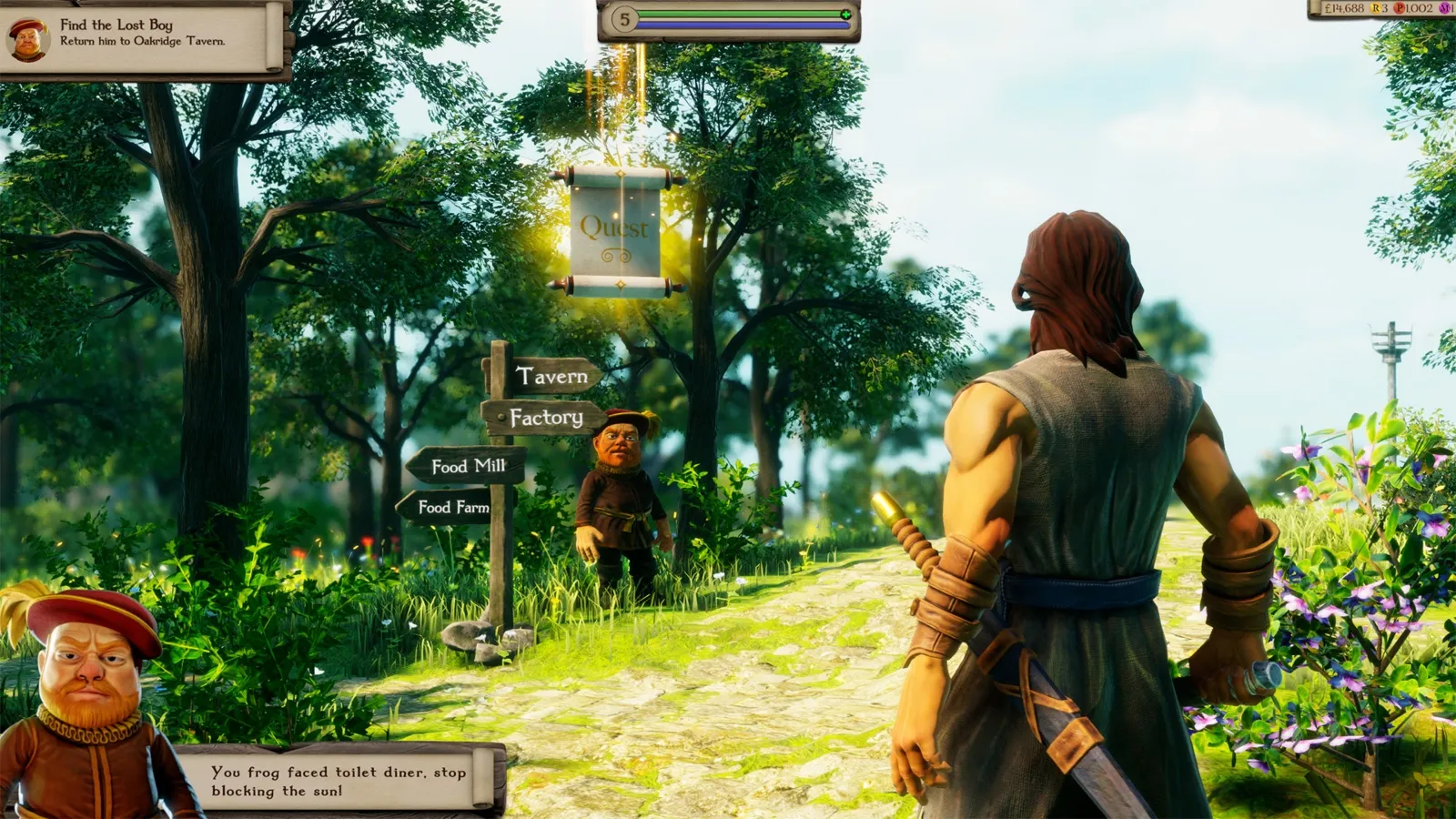
Many backers didn’t just lose time—they lost money in opportunity cost. One developer from Austin, Texas, told us he delayed launching his own indie title to join the Godus modding community. “I spent six months building tools for a game that never stabilized,” he said. “By the time I walked away, my own project was outdated.”
At $45 per backer, that’s nearly $40,000 in collective pre-sales that delivered less than a minimally viable product. Multiply that by lost productivity and unrealized projects, and the financial toll climbs far higher.
Developers Left in the Lurch
The human cost wasn’t limited to investors and fans. At Lionhead Studios, employees endured years of shifting goals and relentless crunch. Former developers describe a culture where Molyneux would pitch a feature in an interview before the team even knew it was possible.
One programmer, who worked on Fable Legends, described the stress of building tech to fulfill promises made on stage at E3. “We’d watch the keynote and learn about features we’d never heard of,” he said. “Then we’d have six weeks to make them work—or look like they did.”
When Microsoft shut down Lionhead in 2016, 150 people lost their jobs. Severance packages were modest. Many struggled to transition, their resumes tied to a studio known more for hype than delivery.
“This wasn’t just about a failed game,” said a former lead designer. “It was about careers derailed. People moved cities, bought homes, had kids—based on the stability of a company selling a fantasy.”
The 22c Millionaire: A Symbol of Misplaced Faith
The most infamous casualty of Molyneux’s overreach was the winner of Curiosity: Bryan Henderson, a Welsh student who tapped the final cube. His prize? A seven-figure “life-changing experience.” Reality? A $100,000 contract to help develop Godus, which dissolved when the game failed.
Henderson later joked he was “the 22c millionaire,” referencing the estimated cost of his taps versus his payout. But the joke masked real frustration. “I thought I was stepping into something revolutionary,” he said in a 2015 interview. “Instead, I got meetings about a game that didn’t work and a team that kept shrinking.”
His story became a metaphor: the ordinary player who won big, only to be swallowed by the chaos of Molyneux’s ambition.
Investors Who Bet on the Godus Gold Rush
Godus didn’t just attract crowdfunding backers. It drew serious investment from venture circles. A now-defunct European tech fund poured €500,000 into Molyneux’s studio, 22c (named after Henderson’s nickname), betting on the game as a pioneer in blockchain-like digital ownership.
The fund’s thesis was that Godus would create a new economy—players owning virtual land, trading influence, building persistent empires. But the game never reached scale. Server costs mounted. Player count stagnated. By 2018, the studio was operating at a loss.
One investor, when asked about the loss, said: “We didn’t lose money to a bad game. We lost it to a narrative. Molyneux doesn’t sell software—he sells belief. And belief doesn’t generate revenue.”
The Ripple Effect on Indie Development
Molyneux’s legacy has made it harder for legitimate indie developers to crowdfund. After Godus, trust in developer promises eroded. A 2019 Gamasutra survey found that 68% of backers now read patch notes and development logs before pledging—up from 39% in 2012.
/cdn.vox-cdn.com/uploads/chorus_image/image/70269281/112379621.0.jpg)
“I had to work twice as hard to prove we weren’t another Molyneux project,” said indie developer Lena Torres, whose team launched a successful Kickstarter for a colony sim in 2020. “We posted weekly unedited dev builds. No concept art with ‘coming soon’ tags. No promises we couldn’t prove.”
The market now penalizes ambition without transparency. Where Molyneux once got a pass for “vision,” today’s developers are expected to deliver or walk back promises early.
Why the Pattern Repeats—and Who Pays
Molyneux’s story isn’t unique, but it’s extreme. The cycle is familiar: bold claim → media frenzy → investor interest → public excitement → under-delivery → disillusionment.
What makes his case different is the financial footprint. Unlike most overpromising developers, Molyneux had access to major studios, venture capital, and global platforms. Each broken promise didn’t just disappoint—it destabilized businesses.
And yet, he remains a figure of fascination, not infamy. He’s invited to speak at conferences. He’s profiled in documentaries. Meanwhile, the developers who followed him into the fire, the investors who wrote checks, and the fans who pre-ordered—many of them never recovered.
The Lesson: Separate Vision from Viability
Believing in bold ideas is essential to innovation. But belief without accountability is dangerous. Molyneux’s legacy teaches one hard truth: in tech and gaming, charisma can open doors—but only execution keeps them open.
For investors, the takeaway is clear: scrutinize the roadmap, not the pitch. For developers, overpromising may generate buzz, but it erodes trust. And for players, crowdfunding isn’t charity—it’s a risk.
Peter Molyneux didn’t fail because he dreamed too big. He failed because he let the dream outpace reality—and convinced others to invest in the gap.
If you’re backing a visionary, ask not what they promise, but what they’ve delivered. The cost of ignoring that question can be far more than money.
How do you protect yourself from overhyped game projects?
Research the team’s track record. Look for shipped games, not concept trailers. Follow dev logs and community updates. Be skeptical of emotional pitches and vague timelines.
Did Peter Molyneux return investor money?
No formal returns were made. Backers of Godus received access to the incomplete game. Venture investors absorbed their losses. No refunds were issued.
Is Godus still playable?
Yes, but barely. The game remains in a minimal state on Steam, with no recent updates. Multiplayer and promised features were never implemented.
Why did Microsoft shut down Lionhead?
Microsoft cited declining performance and misalignment with strategic goals. Behind the scenes, sources point to Fable Legends’ poor reception and Molyneux’s departure in 2012 as key factors.
Can a developer recover from a failed project like this?
Yes, but reputation matters. Many ex-Lionhead devs found work at studios that valued transparency. Molyneux himself launched smaller projects post-22c, but none regained past influence.
What games succeeded by avoiding Molyneux’s mistakes?
Stardew Valley, Hades, and Valheim built trust through steady updates, honest communication, and delivering on clear promises—proving that patience beats hype.
Are crowdfunding platforms doing enough to protect backers?
Platforms like Kickstarter and Indiegogo are reactive, not proactive. They don’t verify feasibility. Backers must do due diligence—no platform will refund a broken promise.
FAQ
What should you look for in The Cost of Overpromising: Players Burned by Molyneux’s Vision? Focus on relevance, practical value, and how well the solution matches real user intent.
Is The Cost of Overpromising: Players Burned by Molyneux’s Vision suitable for beginners? That depends on the workflow, but a clear step-by-step approach usually makes it easier to start.
How do you compare options around The Cost of Overpromising: Players Burned by Molyneux’s Vision? Compare features, trust signals, limitations, pricing, and ease of implementation.
What mistakes should you avoid? Avoid generic choices, weak validation, and decisions based only on marketing claims.
What is the next best step? Shortlist the most relevant options, validate them quickly, and refine from real-world results.