The Rams didn’t enter the draft looking for a quarterback. On paper, they had options: a veteran in Baker Mayfield, a developmental arm in Stetson Bennett, and the promise of stability. But behind closed doors, Albert Breer’s reporting peeled back the curtain on a franchise with quiet concerns—and a long-term vision that pivoted toward Oregon’s Ty Simpson. It wasn’t a splashy headline pick, but a calculated, under-the-radar move that tells us more about modern NFL draft strategy than any first-round selection.
Breer’s takeaways spotlighted not just who the Rams chose, but how they arrived at that decision—a process rooted in film study, projection, and organizational patience. This is the story of how a team with immediate playoff aspirations quietly bet on a raw but dynamic prospect, and how Albert Breer’s insights expose the methodology behind one of the draft’s more intriguing selections.
The Rams’ Quiet Quarterback Conundrum
Los Angeles faced a dilemma most teams pretend doesn’t exist: what happens when your starter is good, but not franchise-defining? Baker Mayfield played efficiently in 2023, guiding the Rams to a playoff berth with a steady hand. Yet, internal evaluations—confirmed through Breer’s sources—indicated a ceiling issue. The Rams wanted a quarterback who could elevate the offense in the pocket and extend plays, not just manage them.
Stetson Bennett, while gritty, lacked the physical tools to grow beyond a backup role. The Rams needed a developmental quarterback with upside—someone they could mold without immediate pressure. Enter Ty Simpson.
Unlike traditional “project” quarterbacks who thrive on arm talent alone, Simpson brings elite athleticism, a high football IQ, and a competitive fire that stood out even in limited Oregon starts. Breer emphasized that Rams scouts were particularly impressed by Simpson’s performance in the 2023 Holiday Bowl against Liberty—his lone full game as a starter. Despite the Ducks’ loss, Simpson displayed poise under pressure, made several NFL-caliber throws, and showed elite rushing ability when plays broke down.
That single game became a focal point in L.A.’s war room. “They didn’t fall in love with the stats,” Breer noted. “They fell in love with the flashes—and the framework.”
Albert Breer’s Draft Philosophy in Action
Breer’s coverage of the draft didn’t just report picks; it dissected the why. His takeaways consistently highlight three layers: team needs, player trajectory, and organizational culture. In the case of the Rams and Simpson, all three aligned.
First, the need: The Rams’ offense under Liam Coen thrives on play-action, quick decisions, and mobility. Simpson’s skill set fits that scheme better than any other late-round quarterback in this class. His ability to roll out, extend plays, and make accurate throws on the move mirrors the mold of modern NFL QBs like Justin Fields and Jayden Daniels—players who succeed despite inconsistent pocket presence.

Second, the projection: Simpson played sparingly behind Bo Nix at Oregon, limiting his tape. But Breer pointed out that the Rams’ analytics team ran simulations comparing Simpson’s limited reps to early tape of Josh Allen and Jalen Hurts. The similarities weren’t in volume, but in decision-making under duress and improvisational efficiency.
Third, culture: The Rams have built a roster of high-character, coachable players. Breer cited sources within the organization who described Simpson as “the hardest worker in the room” during pre-draft workouts. His leadership at Alabama High School, where he led his team to a state title, and his quiet confidence during interviews resonated with L.A.’s leadership.
Breer’s insight? This wasn’t just a talent grab—it was a cultural fit identified through disciplined evaluation.
How the Rams Structured the Pick
The Rams selected Ty Simpson in the fifth round—a surprising spot for a quarterback with his athleticism and pedigree. But Breer’s reporting revealed the method behind the timing.
Los Angeles waited until Day 3 for several strategic reasons:
- Cost Efficiency: Signing a fifth-round QB allows for a lower-cap hit and more roster flexibility. The Rams didn’t want to burn a high pick on a developmental player when they’re still in win-now mode.
- Trade-Down Strategy: The Rams explored trading back in the early rounds but found little interest. Staying put allowed them to pounce on Simpson when he unexpectedly fell.
- Workout Intelligence: Simpson impressed during the Rams’ private workout at the NFL Combine. Coaches ran him through their core offensive concepts, and he executed them with surprising precision. According to Breer, that session “moved the needle” more than his college film.
Breer also noted that the Rams were one of the few teams to simulate actual game pressure during Simpson’s workout—blitz packages, pre-snap motion, and tempo shifts. His ability to process and respond under those conditions gave L.A. confidence he could adapt quickly.
This kind of granular preparation is what separates informed teams from reactive ones—and Breer’s takeaway was clear: the Rams didn’t get lucky. They earned the pick through superior prep.
Why Other Teams Passed on Simpson
Simpson’s fall to the fifth round wasn’t random. Several concerns dogged his evaluation:
- Limited Starting Experience: Only one full start at Oregon.
- Inconsistent Mechanics: Long-striding delivery that can lead to inaccuracy.
- Ball Security: Rushed decisions under pressure in limited reps.
Teams like the Bills, Vikings, and Broncos—all QB-needy—passed on him, favoring more polished prospects like J.J. McCarthy or Michael Penix Jr. But Breer argued that those teams prioritized knowns over upside. The Rams, however, were willing to bet on the latter.
“The risk isn’t in picking Simpson,” Breer wrote. “It’s in not picking someone like him when the cost is so low and the ceiling so high.”
Some front offices view late-round QBs as lottery tickets. The Rams, guided by Breer’s observed trends, treated Simpson as a calculated investment—one with multiple pathways to contribution.
The Development Path: What’s Next for Ty Simpson?
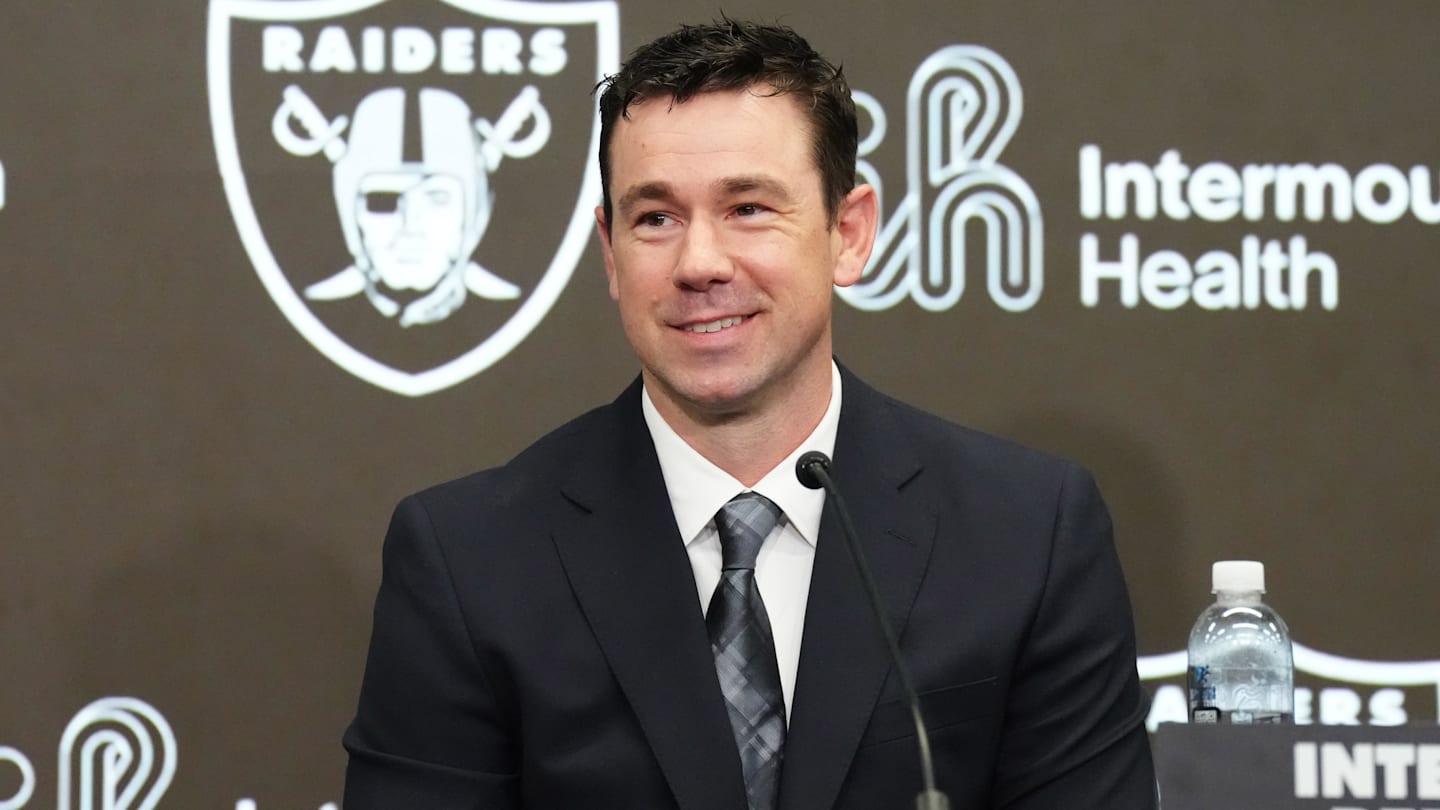
Breer’s takeaways didn’t stop at draft day. He outlined a realistic development timeline for Simpson in L.A.:
- Year One: Sit and learn. Study Mayfield’s mechanics, Coen’s system, and NFL defensive tendencies. Participate in all meetings, on-field walkthroughs, and offseason programs.
- Year Two: Compete with Bennett for QB2. Potentially see mop-up duty in late-season games if the playoff picture is secure.
- Year Three: Push for starting role if Mayfield declines or departs.
The Rams’ quarterback room will be a classroom, not a battleground—initially. But Breer emphasized that Simpson’s presence creates leverage. Mayfield knows he’s not untouchable. Bennett knows he’s not the long-term answer. And the coaching staff now has a live developmental option they can mold from scratch.
Practical reality: Simpson won’t start in 2024. But if he progresses, the Rams could have a unique asset by 2026—one capable of running a modern, hybrid offense that blends RPOs, play-action, and designed movement.
The Bigger Picture: Drafting for the Future, Not the Headlines
Albert Breer’s overarching message wasn’t just about Ty Simpson. It was about how elite franchises operate in the modern draft: with patience, precision, and long-term vision.
The Rams didn’t make a flashy move. They didn’t trade up. They didn’t announce a “quarterback of the future.” Instead, they quietly gathered data, validated it through workouts, and struck when the price was right.
This approach reflects a shift in NFL drafting—one Breer has chronicled for years. Teams aren’t just picking players; they’re building optionality. A fifth-round QB isn’t a commitment. It’s an insurance policy, a developmental project, and a competitive lever—all in one.
Other teams could learn from this. Too many reach for “safe” players in the middle rounds. The Rams, by contrast, reached for upside—with eyes wide open.
Final Takeaways: What
This Means for the Rams and the League
Albert Breer’s NFL draft analysis doesn’t just inform—it reframes. The selection of Ty Simpson isn’t a headline. It’s a case study.
- Smart teams draft for fit, not need alone. The Rams didn’t just need a QB—they needed a specific type of QB. Simpson fits their scheme and culture.
- Workouts can override limited tape. When film is scarce, execution in controlled settings becomes critical. Simpson aced his.
- Low-cost, high-upside picks are the new currency. In a cap-constrained league, finding late-round gems is how contenders stay contenders.
The Rams didn’t solve their quarterback future on draft day. But they positioned themselves to address it—quietly, strategically, and with minimal risk.
For fans, the move may fly under the radar. But for those paying attention to Breer’s insights, it’s a reminder that the smartest moves are often the ones nobody talks about.
Actionable Insight: If you're evaluating NFL draft strategies—whether as a fan, analyst, or aspiring front-office mind—focus less on where players are picked and more on why. The Rams’ selection of Ty Simpson wasn’t about the pick number. It was about process, projection, and patience. That’s the blueprint for sustainable success.
FAQ
What should you look for in How the Rams Landed on Ty Simpson: Breer’s Draft Insights? Focus on relevance, practical value, and how well the solution matches real user intent.
Is How the Rams Landed on Ty Simpson: Breer’s Draft Insights suitable for beginners? That depends on the workflow, but a clear step-by-step approach usually makes it easier to start.
How do you compare options around How the Rams Landed on Ty Simpson: Breer’s Draft Insights? Compare features, trust signals, limitations, pricing, and ease of implementation.
What mistakes should you avoid? Avoid generic choices, weak validation, and decisions based only on marketing claims.
What is the next best step? Shortlist the most relevant options, validate them quickly, and refine from real-world results.